Florence invented the museum as we know it. When the last Medici heir died in 1743 she willed the family's entire collection to the city on the condition that it never leave, which is why a town of 360,000 people holds one of the densest concentrations of Renaissance art on earth. What museums are in Florence, Italy is therefore a shorter question than which ones you can realistically fit into your days, and this guide sorts them into eight themes so you can pick by what you actually want to see rather than working down a list.
Each section below covers where a museum sits, when it opens, what a ticket costs, what is genuinely worth finding inside, and the tickets and museum tours in Florence, Italy worth booking ahead. Two things to know before you plan anything else. Almost every state museum here closes on Mondays, including the Uffizi and the Accademia, so a Monday arrival needs a different plan. And the two headline galleries run on timed entry that routinely sells out days ahead between April and October, so if you only book one thing before you fly, book David.
Hours, prices and closing days on this page were last checked in July 2026. Florentine museums shift their schedules for exhibitions and holidays more than most, so confirm on the official site before a special trip.
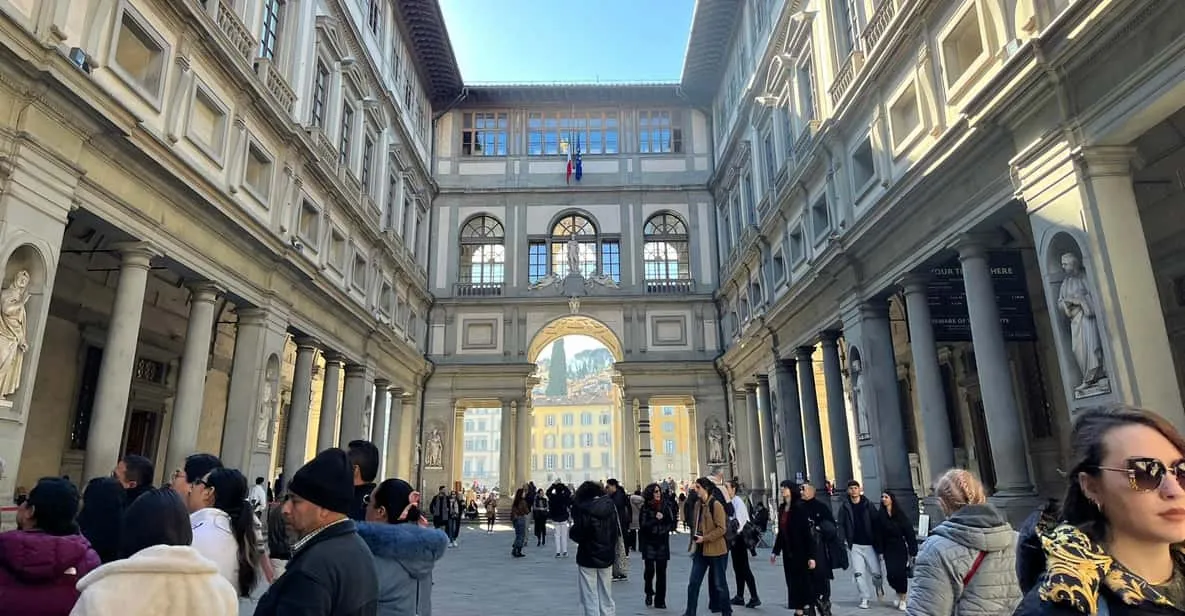
The Uffizi Gallery: The Most Famous Art Museum in Florence, Italy
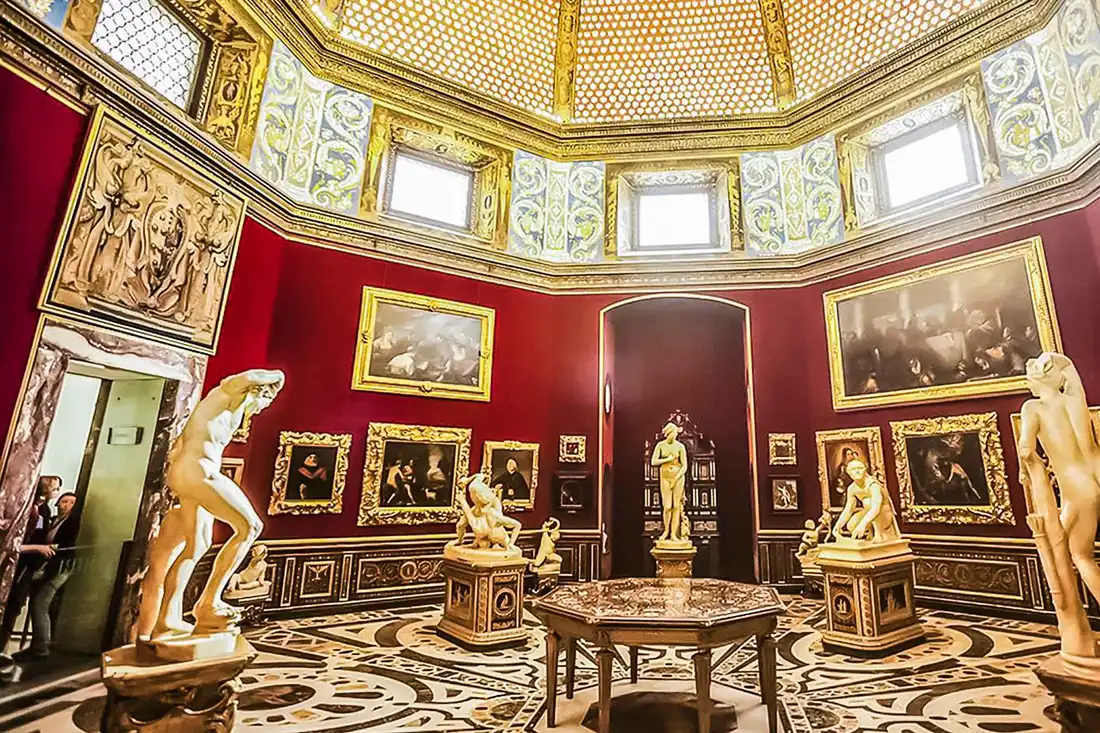
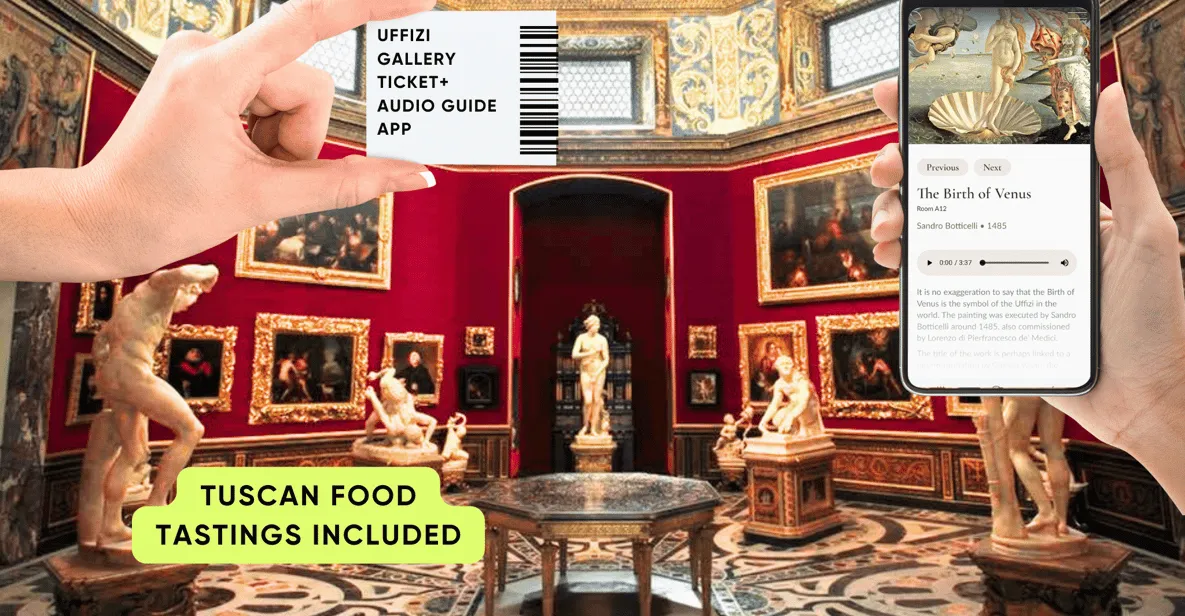
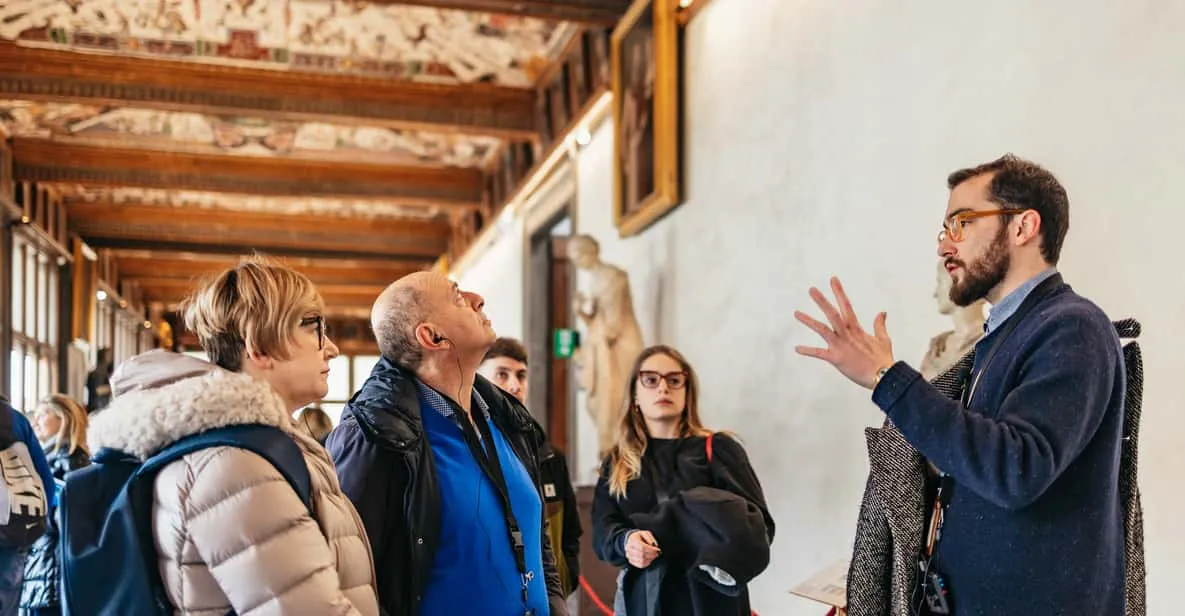
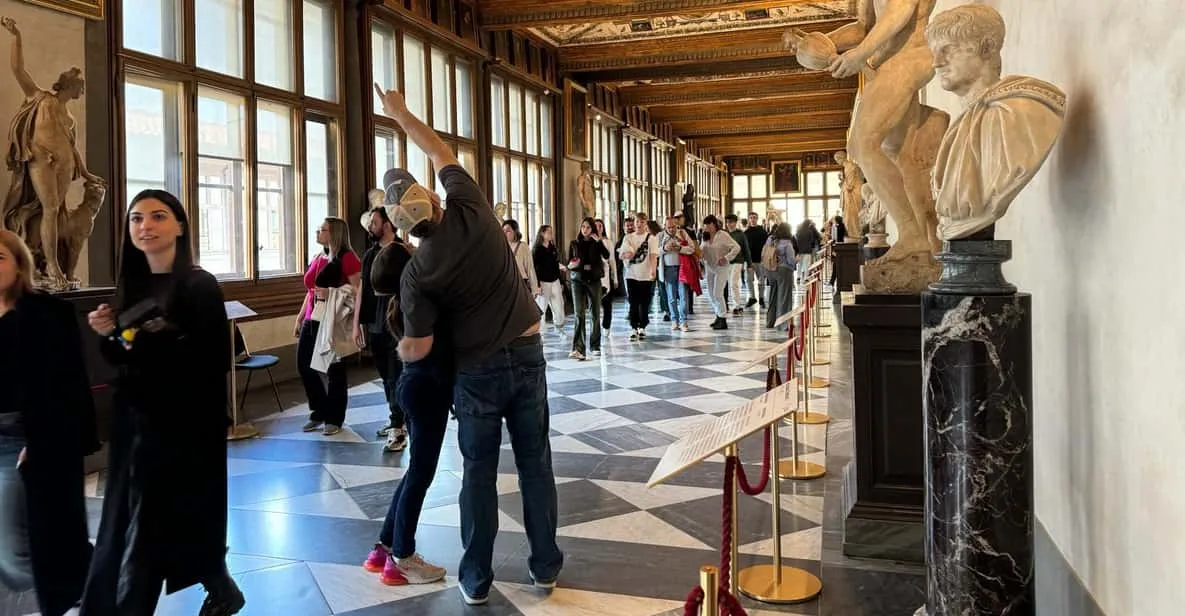
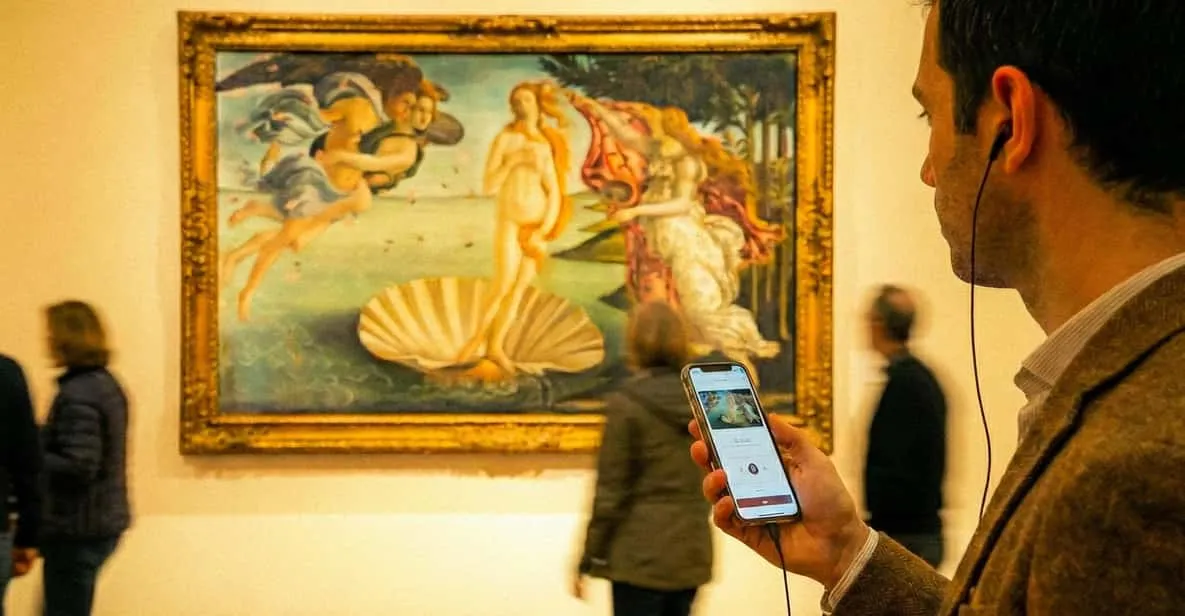
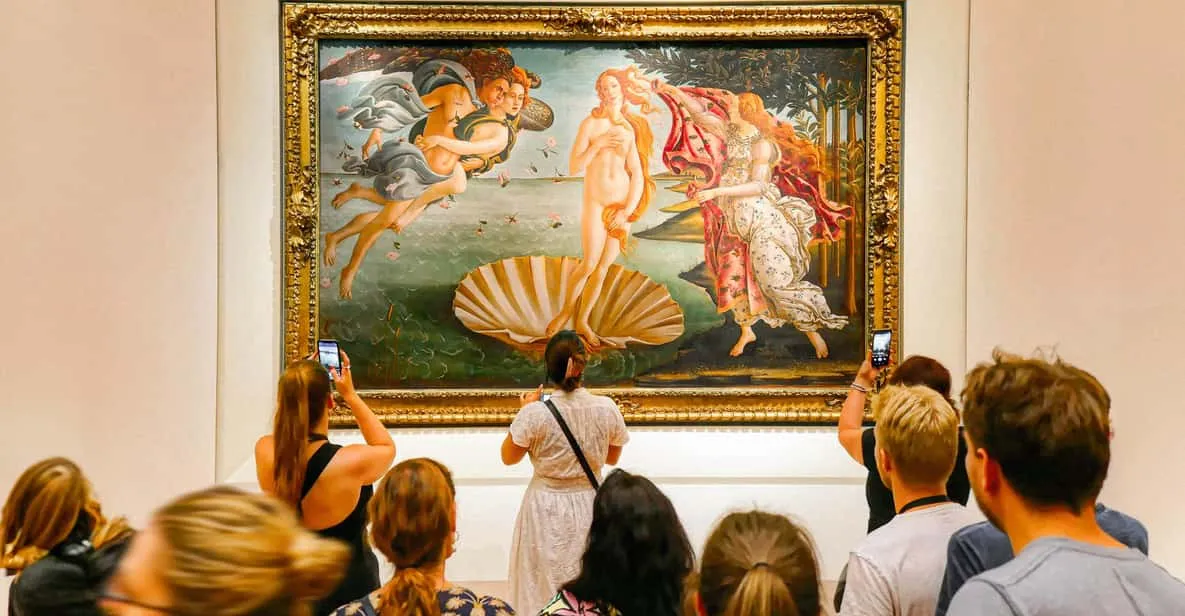
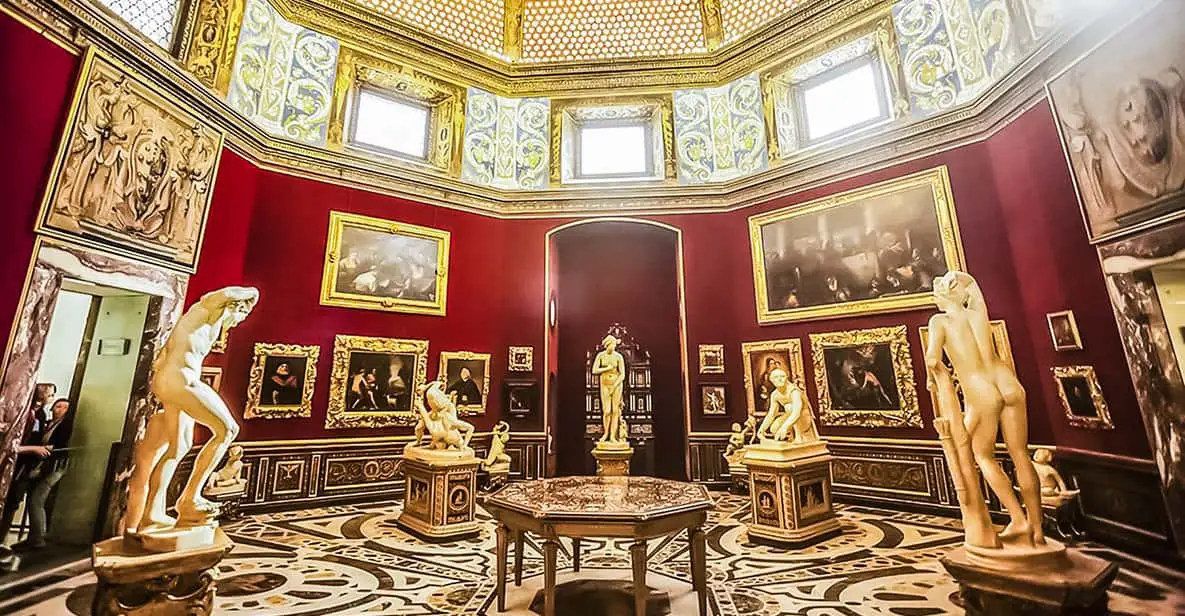
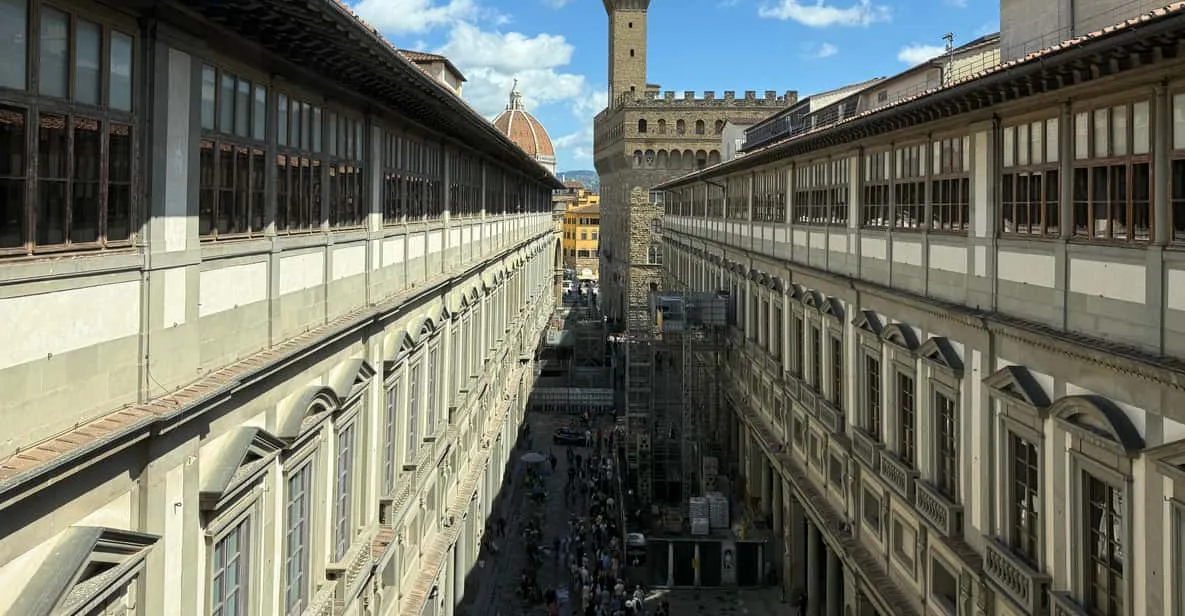
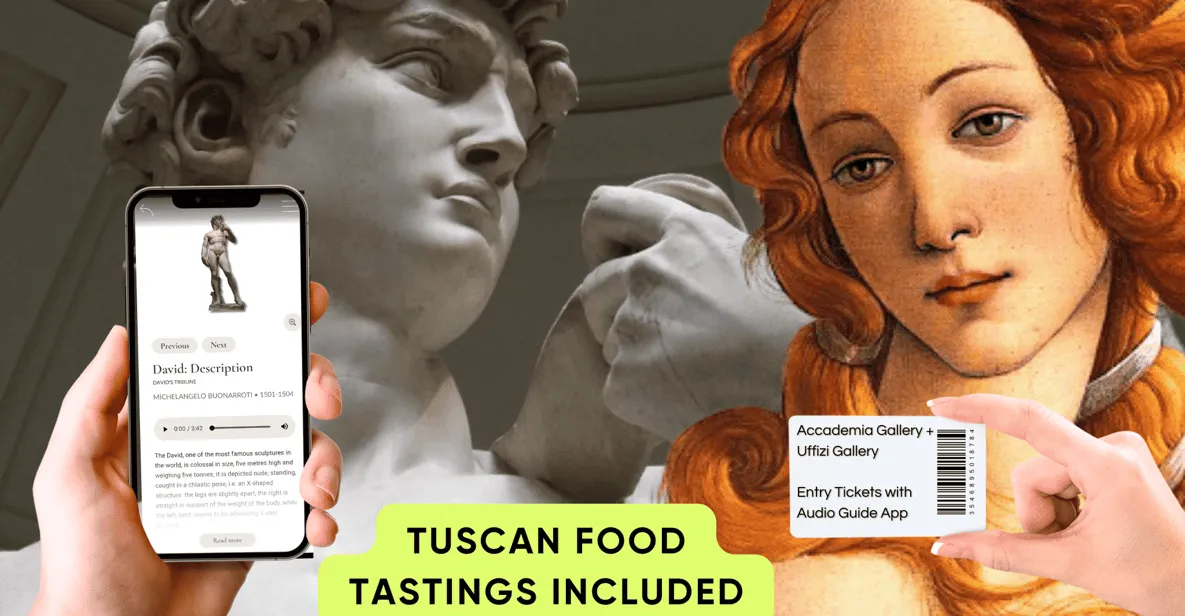
Vasari built the Uffizi in 1560 as offices for the Medici bureaucracy — uffizi simply means offices — and within a generation the family had begun hanging the top floor with the art they could not fit anywhere else. That is how the world's first purpose-built gallery came to exist, and why walking its long corridors is a chronological education: Giotto's gold-ground panels at the start, Botticelli's Birth of Venus and Primavera in the middle, Leonardo, Michelangelo's Doni Tondo and Raphael after them, then Titian's Venus of Urbino and Caravaggio's Medusa near the end.
It is also the most prominent art museum in Florence, Italy by any measure, and the one that punishes bad planning hardest. The Uffizi takes three hours honestly done, closes on Mondays, and its timed slots sell out days ahead from April onwards. Everything else in Florence can be improvised; this cannot.
The Accademia Gallery: The Museum in Florence, Italy With the Statue of David
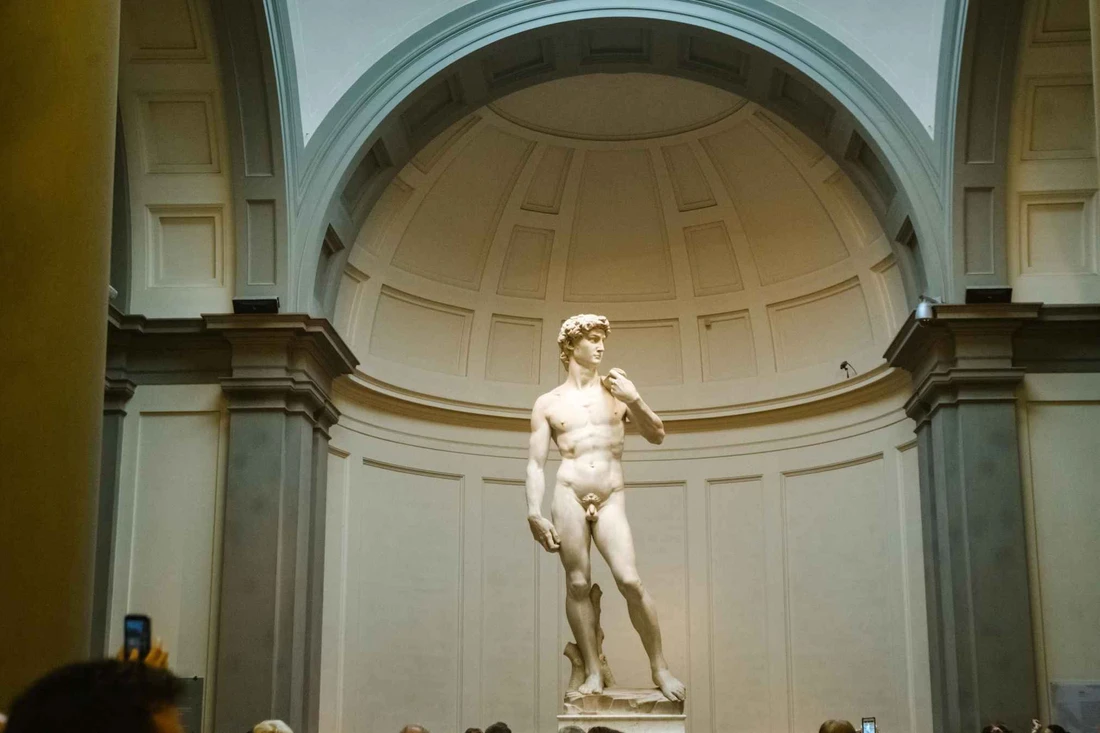
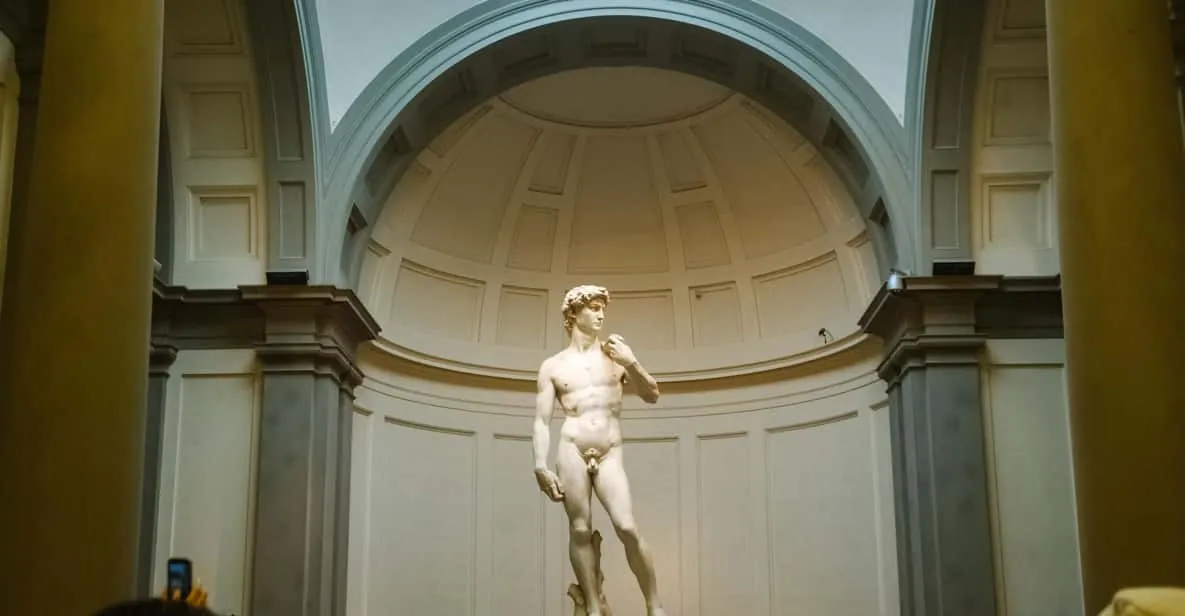
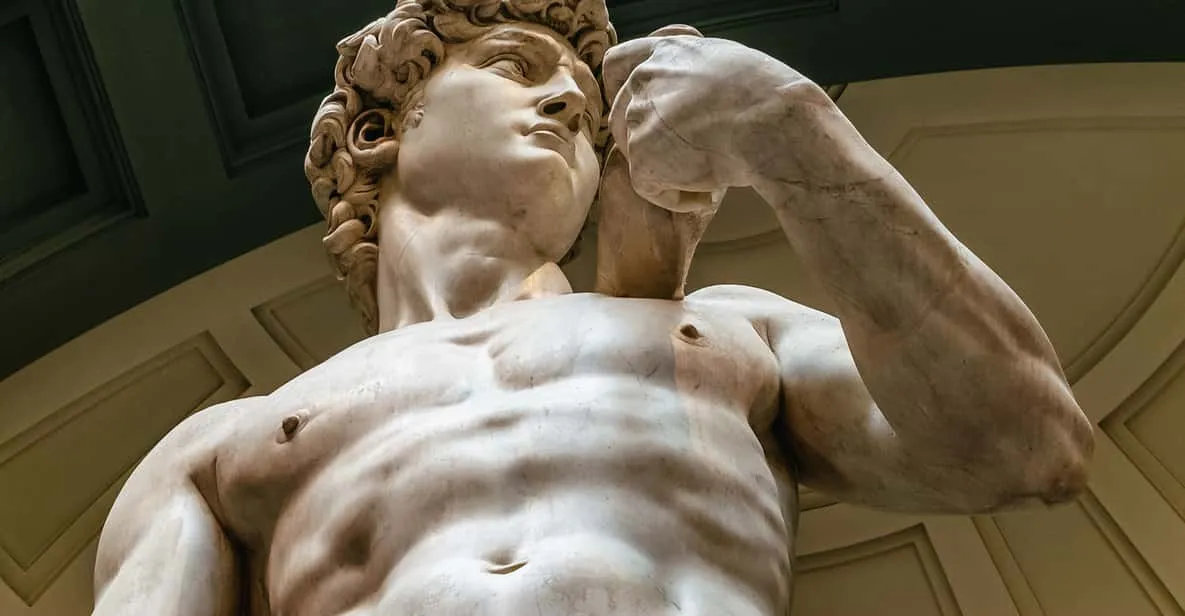
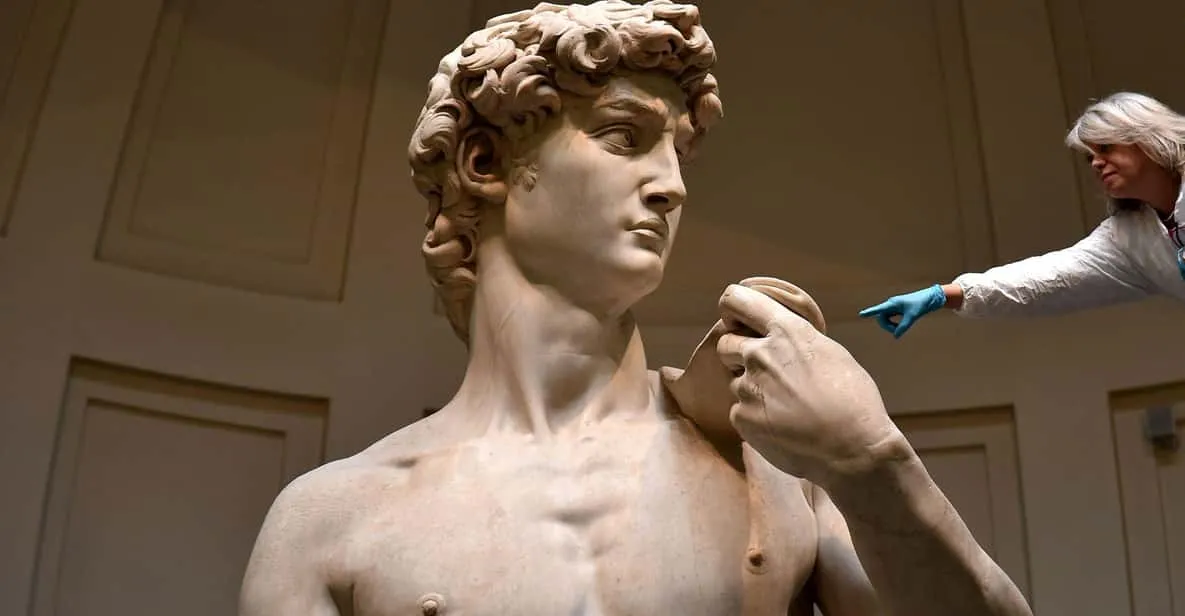
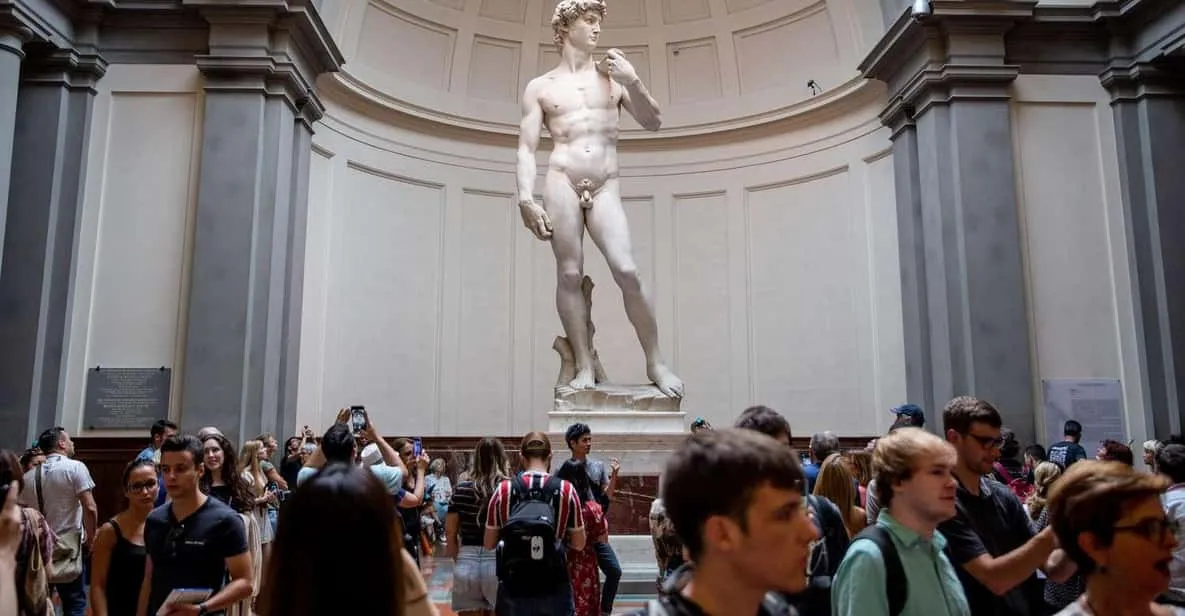
Michelangelo was twenty-six when he was handed a block of Carrara marble that two sculptors had already given up on, botched and abandoned in a cathedral yard for forty years. He worked it for three years and produced David. The statue stood outside Palazzo Vecchio from 1504 until 1873, taking the weather and, once, a bench thrown out of a window during a riot, before the city finally moved it indoors to the Accademia, where it stands under a purpose-built dome at the end of a corridor.
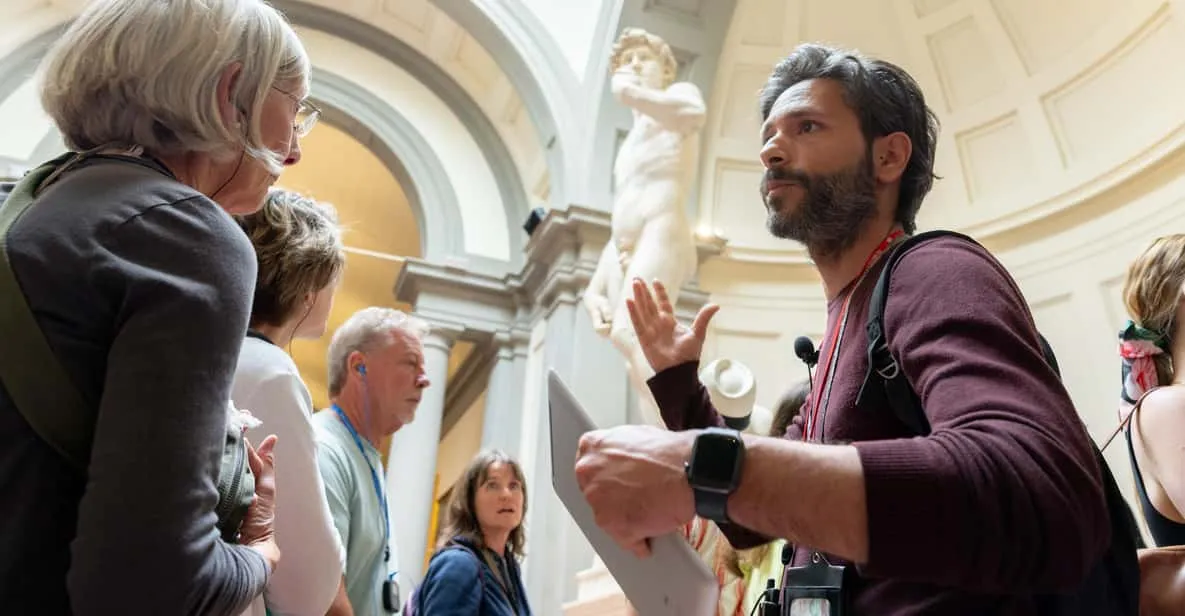
That corridor is the part people forget. Michelangelo's four Prisoners line it, unfinished, figures half-emerged from raw stone, chisel marks still on them — and seeing them first is what makes David land. The Accademia is a small museum; the michelangelo museum in Florence, Italy that everyone means is really one hall. Ninety minutes covers it, and the queue outside without a ticket routinely runs an hour.
The Duomo Complex: Brunelleschi's Dome, the Baptistery & Its Museum
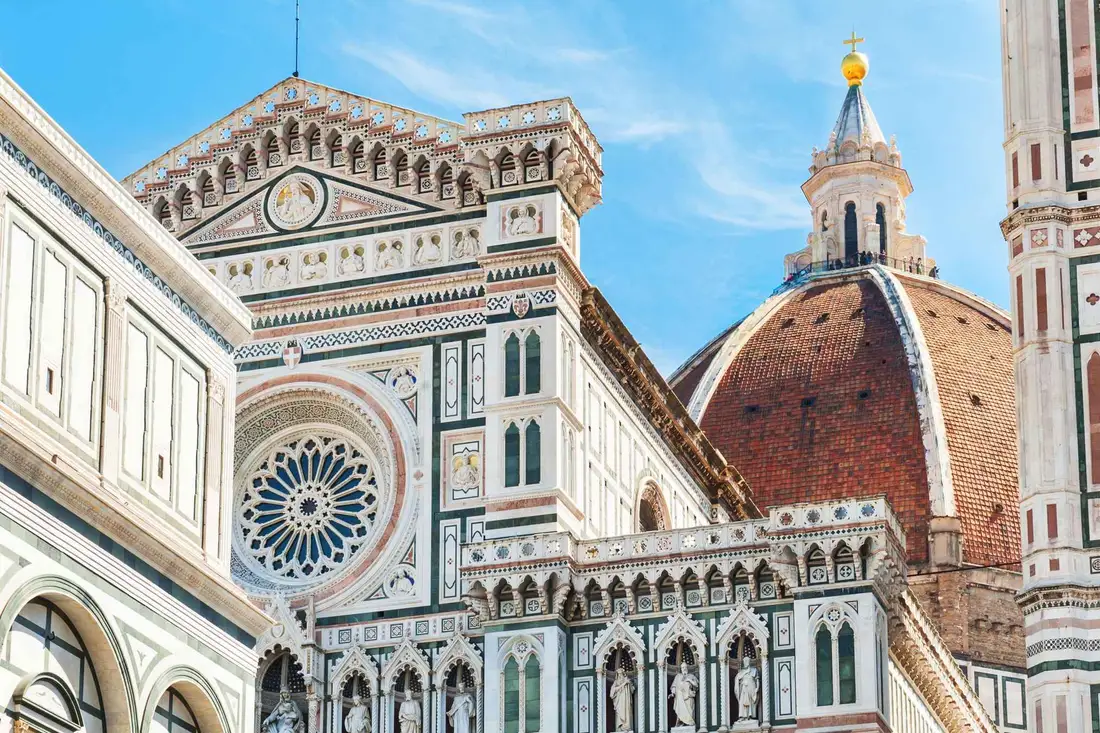
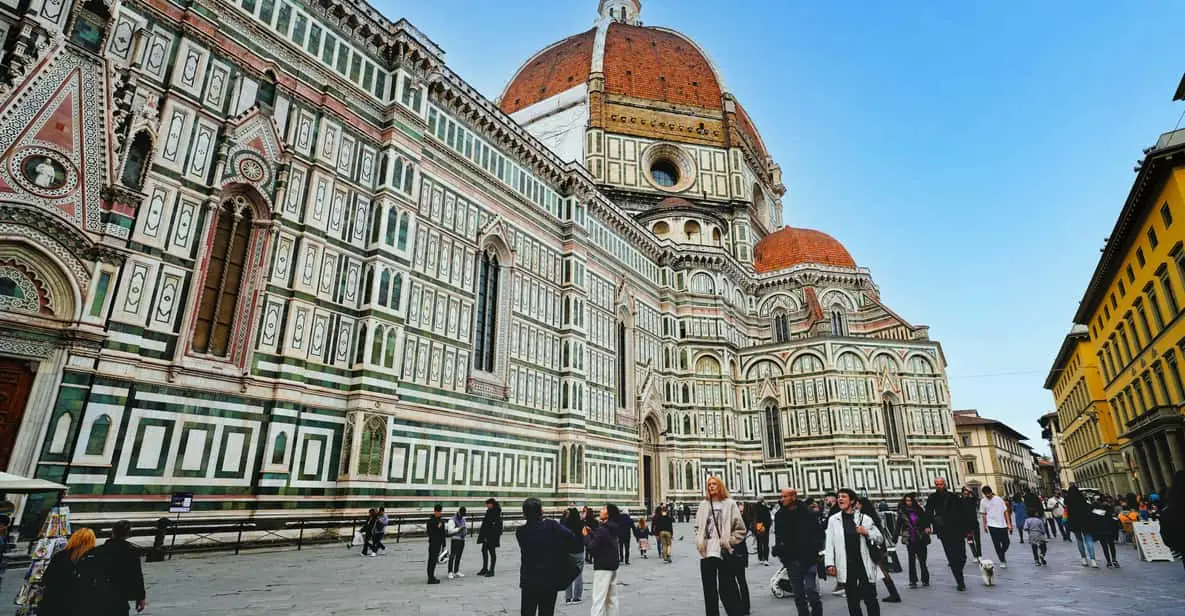
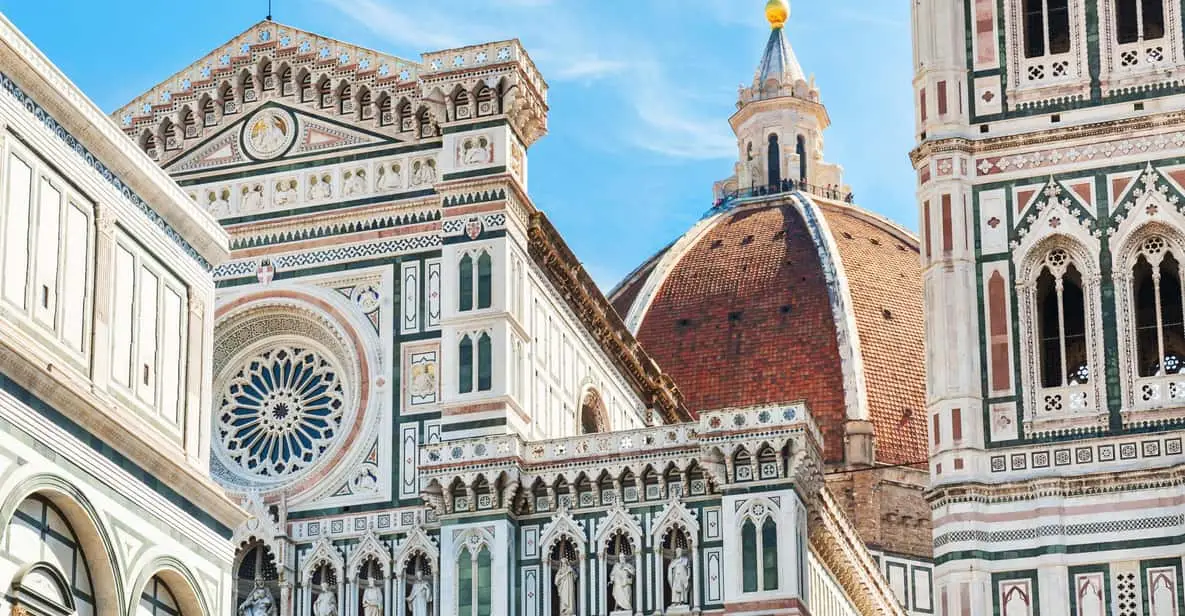
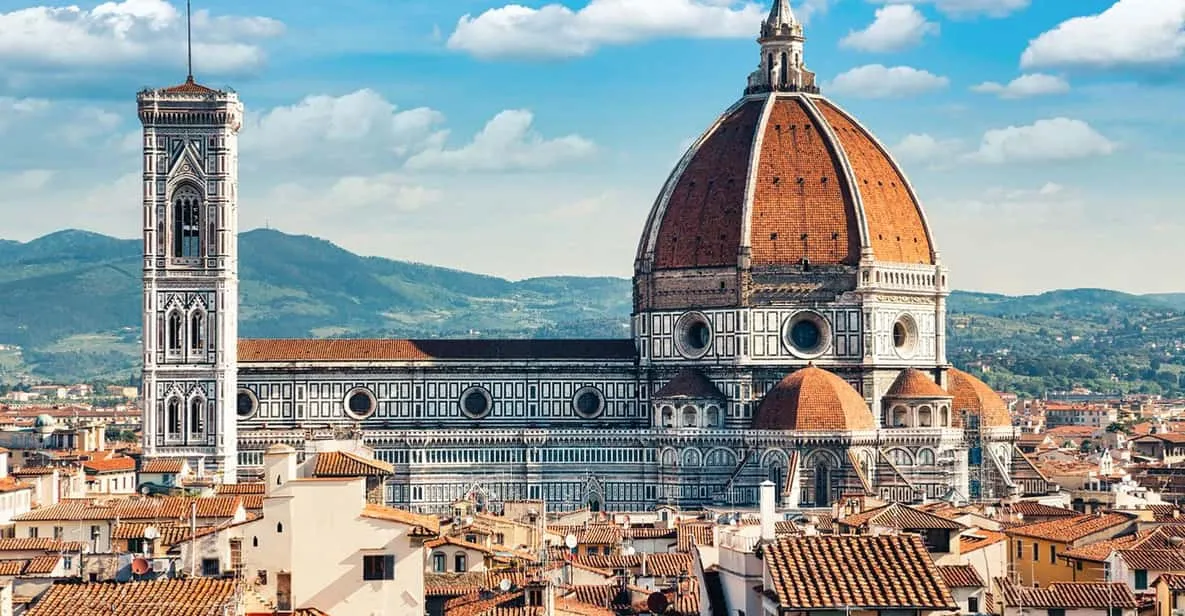
Florence began its cathedral in 1296 with a hole where the dome should go and no idea how to close it, a gap it left open for over a century. Brunelleschi won the commission in 1418 with a proposal he refused to fully explain, then built it: four million bricks in a herringbone pattern, two shells with a staircase between them, and no supporting scaffolding underneath. It is still the largest masonry dome ever raised.
The complex is five separate things — cathedral, dome, Baptistery, campanile, and the Opera del Duomo museum — and only the cathedral floor is free. The dome climb runs to 463 steps, has no lift, and its slots go weeks in advance. The museum, meanwhile, is the one almost nobody books and arguably the best of the five: Ghiberti's original Gates of Paradise are inside, along with Michelangelo's Bandini Pietà and Donatello's gaunt wooden Magdalene.
Medici Palaces & Their Art Museums in Florence, Italy
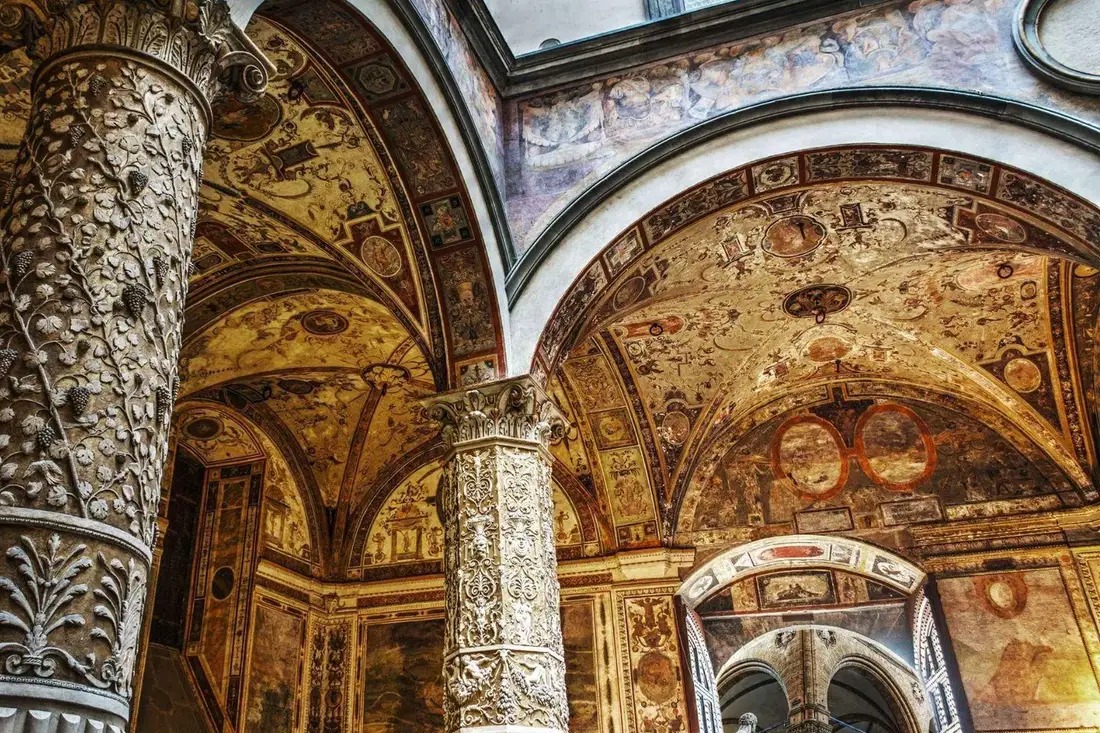
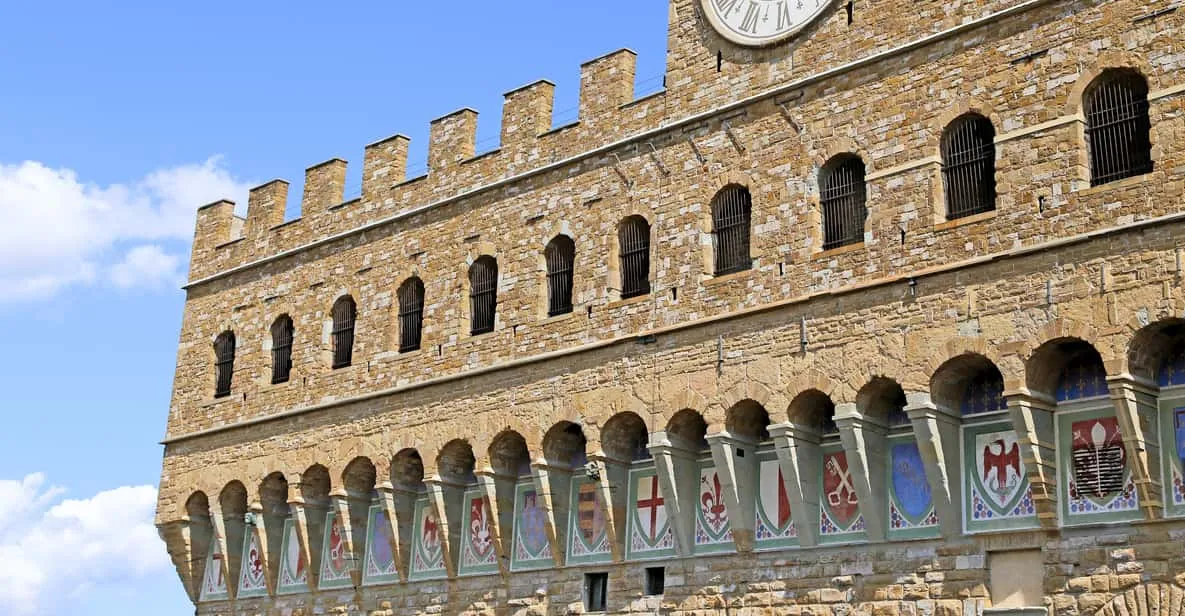
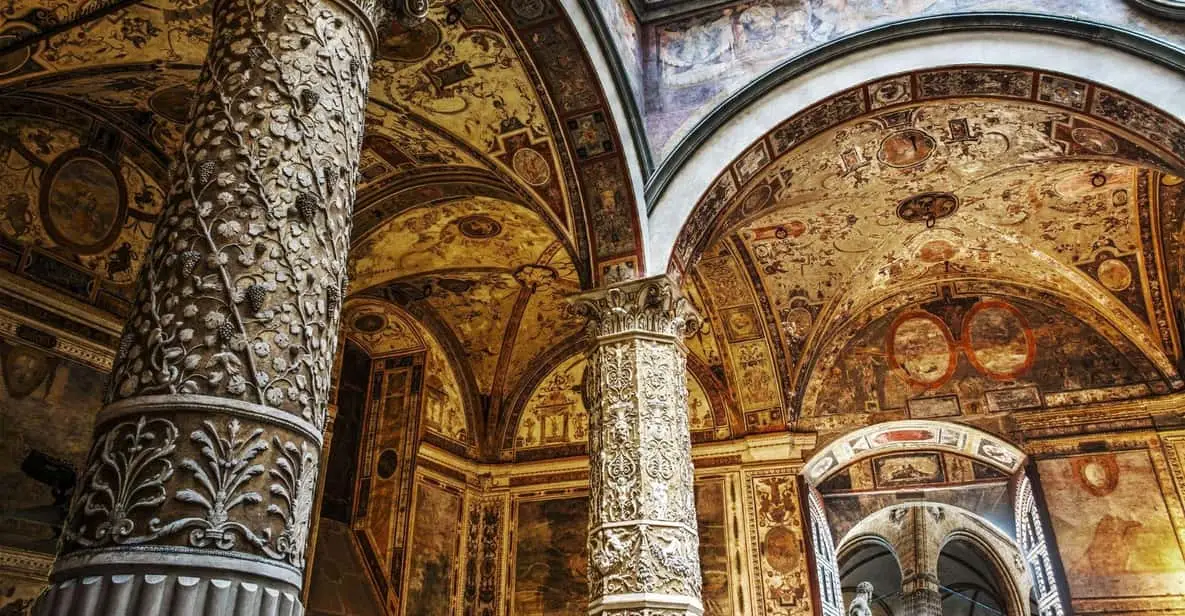
The Medici ran Florence for three centuries from two buildings, and both are museums now. Palazzo Vecchio was the public face: a fortress town hall on Piazza della Signoria whose Salone dei Cinquecento is the largest room of its kind in Italy, walls swallowed floor to ceiling by Vasari's battle frescoes, with Michelangelo's Genius of Victory standing in the middle of it. Behind a hidden door off that hall is the Studiolo of Francesco I, a windowless jewel-box study where a grand duke kept his obsessions.
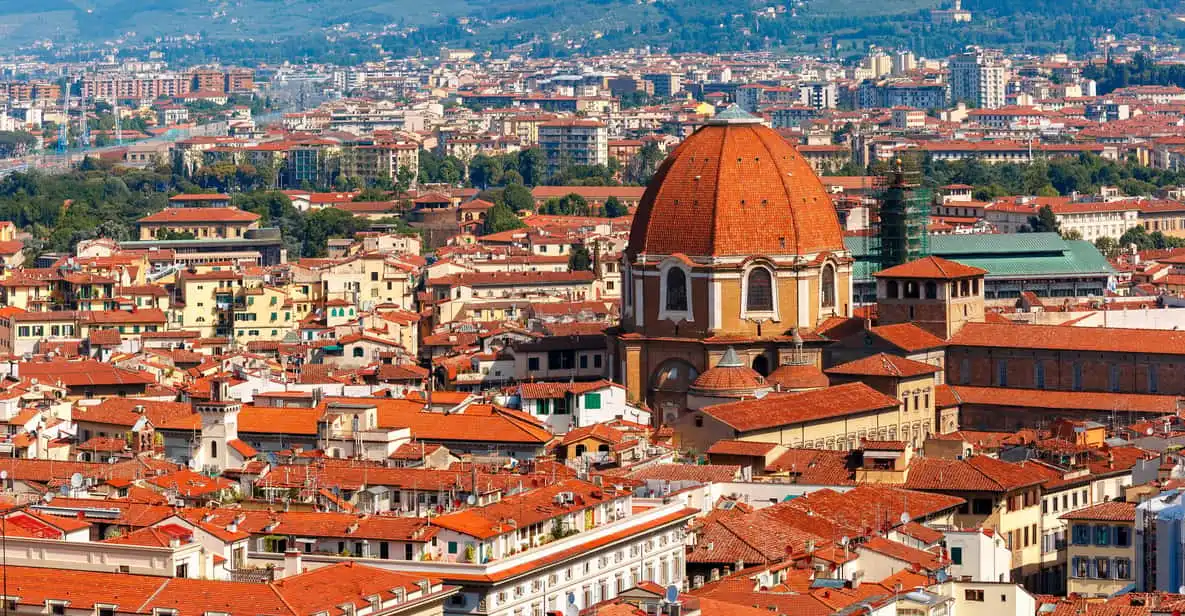
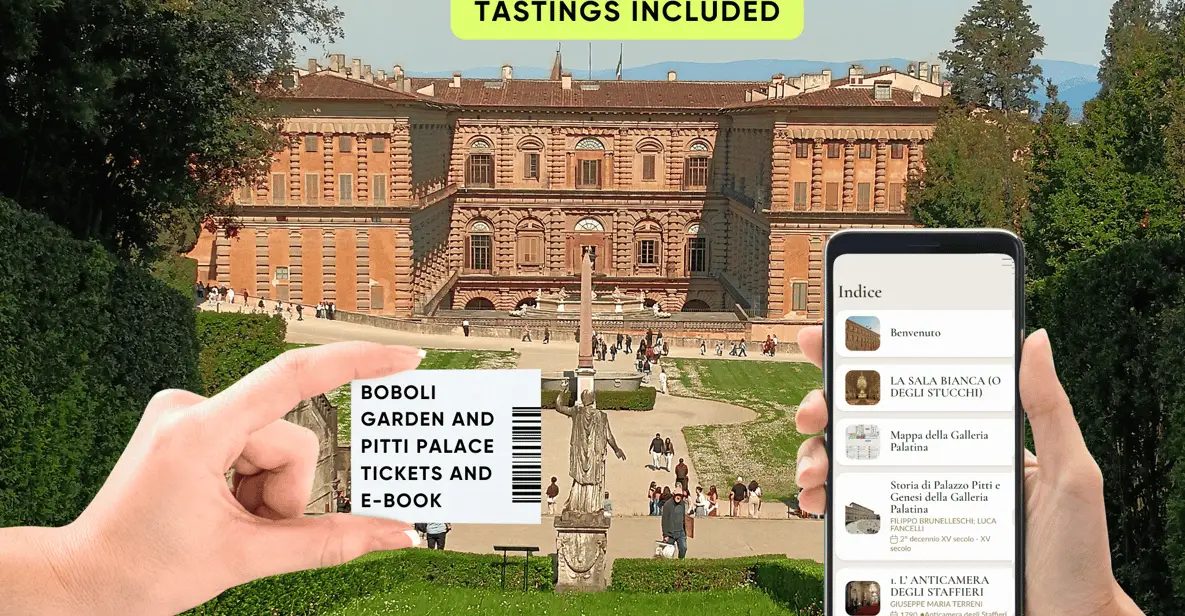
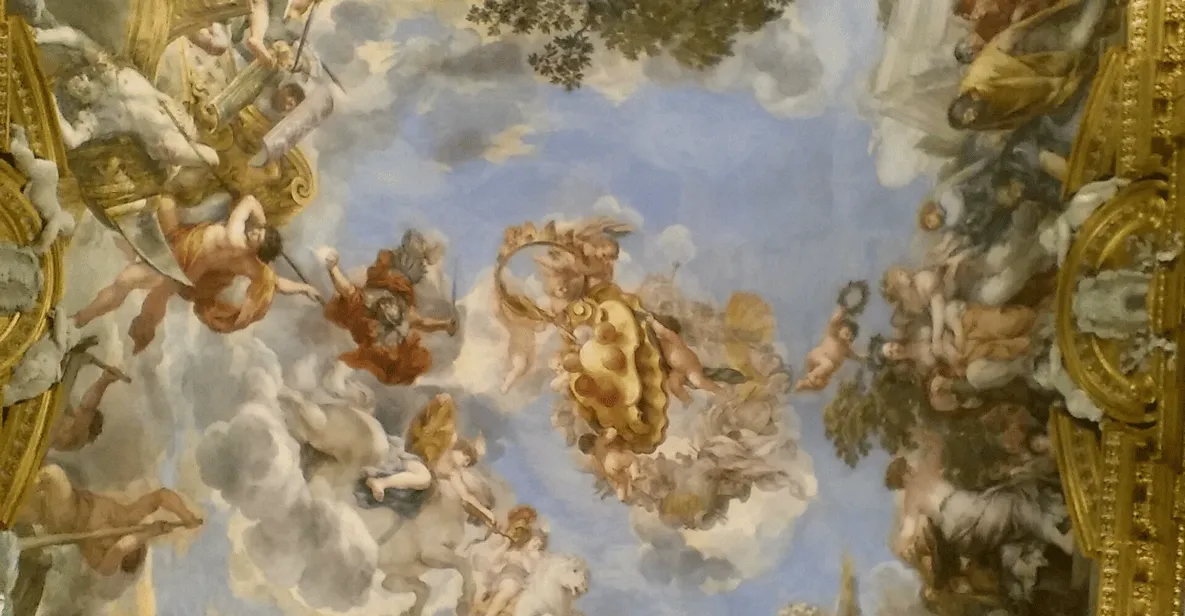
Across the Arno, the Pitti was the private one. The Medici bought it, doubled its size and filled the Palatine Gallery with Raphaels and Titians hung the old way — frames stacked three deep on silk, no labels, sorted by how they looked together rather than who painted them. Behind it they landscaped the Boboli hillside into the template every formal Italian garden has copied since. And at San Lorenzo, the Medici Chapels hold the New Sacristy, where Michelangelo designed the room and carved the tombs inside it, Night and Day and Dawn and Dusk sprawling over two of the least important Medici who ever lived.
Sculpture & Antiquity: The Best Art Museums in Florence, Italy Nobody Queues For
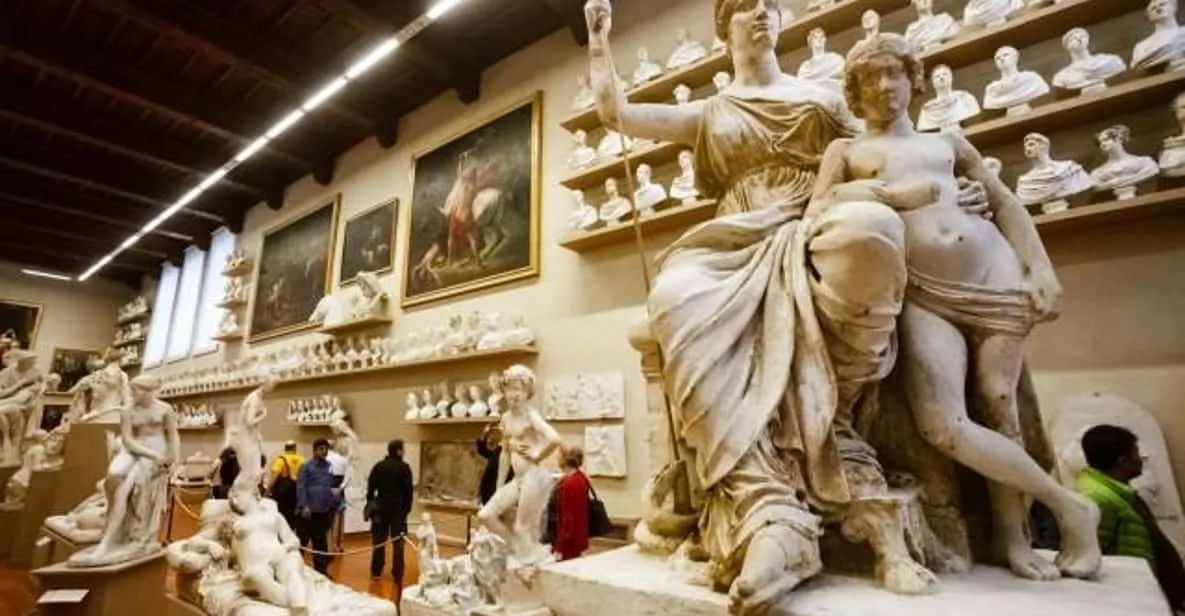
The famous art museums in Florence, Italy are, almost without exception, painting museums — and that is the great imbalance of the city, because everyone queues for the paintings and almost nobody queues for the sculpture. The Bargello is where the Renaissance actually starts: Ghiberti and Brunelleschi's rival panels from the 1401 competition for the Baptistery doors hang side by side there, the two objects that arguably began the whole thing. Donatello's bronze David is upstairs — the first free-standing nude cast since antiquity, and a strange, smirking, unsettling thing next to Michelangelo's. Michelangelo's own Bacchus and Brutus are in the same building. It is a former prison and execution yard, and you can often have a room to yourself.
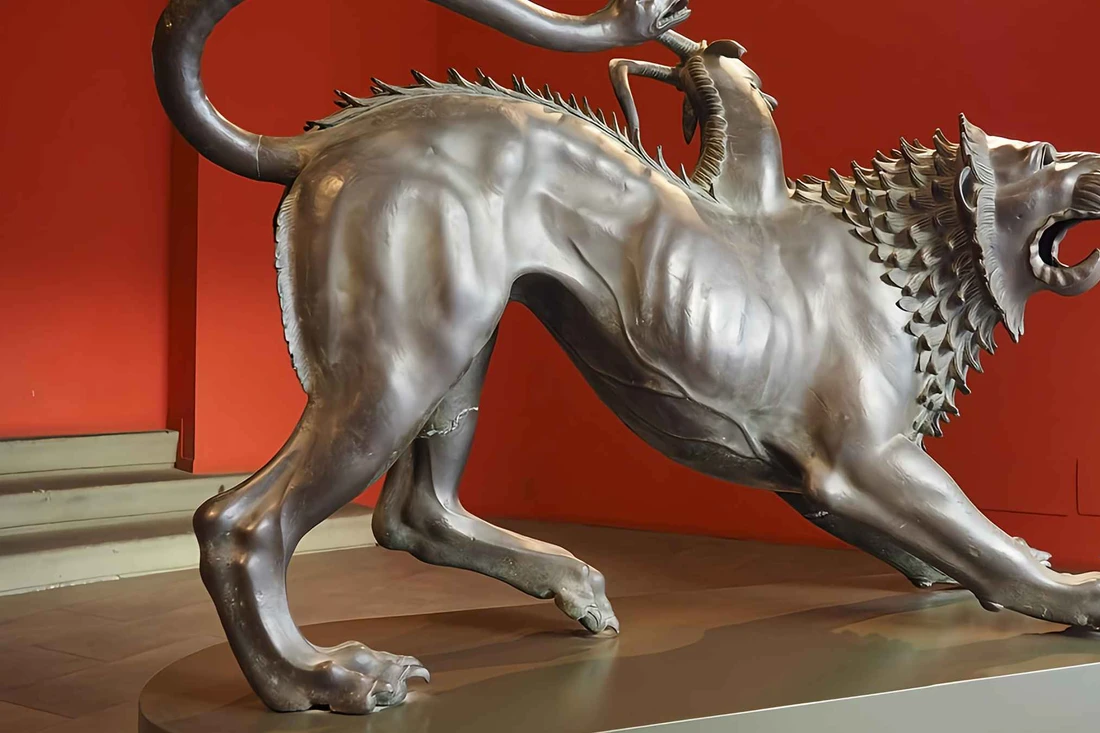
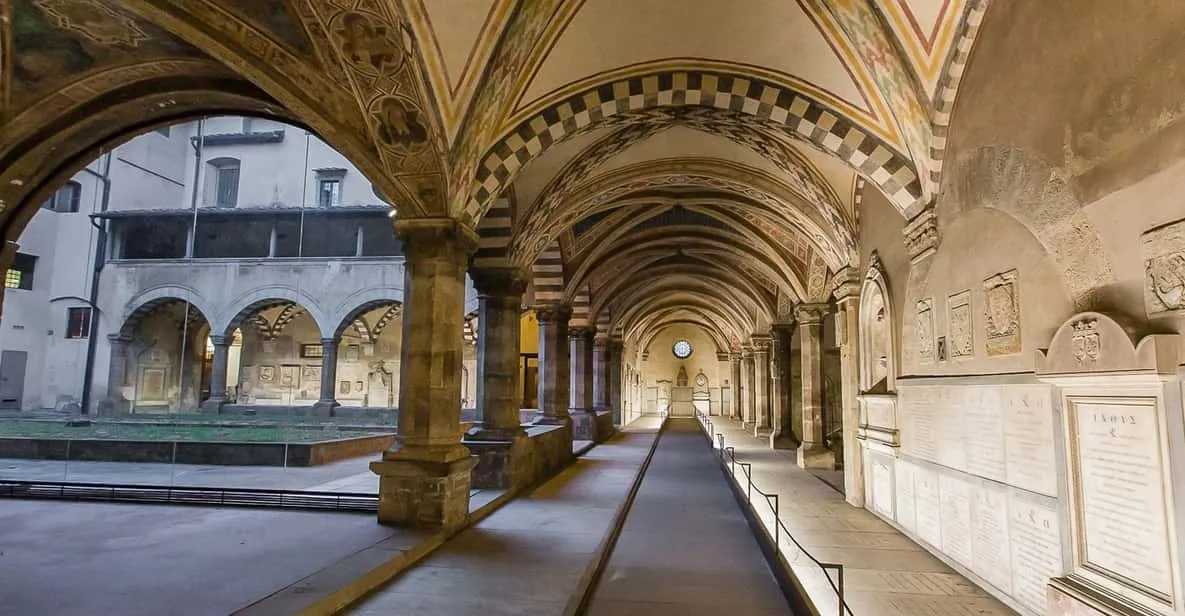
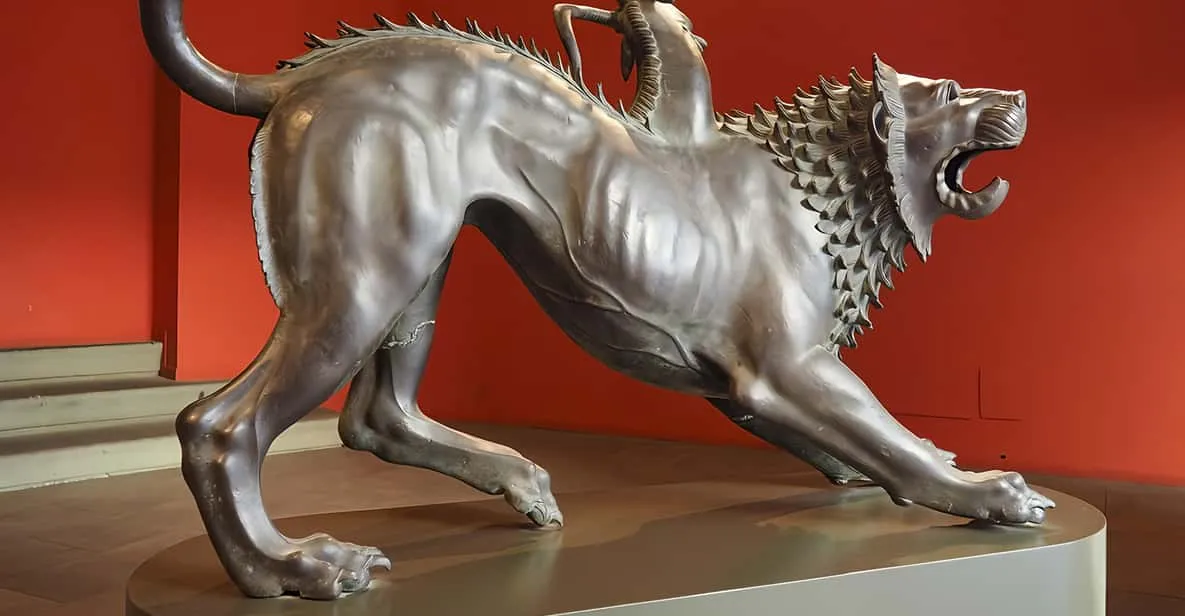
Santa Maria Novella, the church by the station that everyone walks past dragging a suitcase, holds Masaccio's Trinity — the first painting in Western art to use true linear perspective, a wall that appears to open into a chapel that is not there. And the Archaeological Museum keeps what the Medici collected before the Renaissance interested them: the Chimera of Arezzo, an Etruscan bronze from around 400 BC, and the second-largest Egyptian collection in Italy.
Science & Family Museums in Florence, Italy
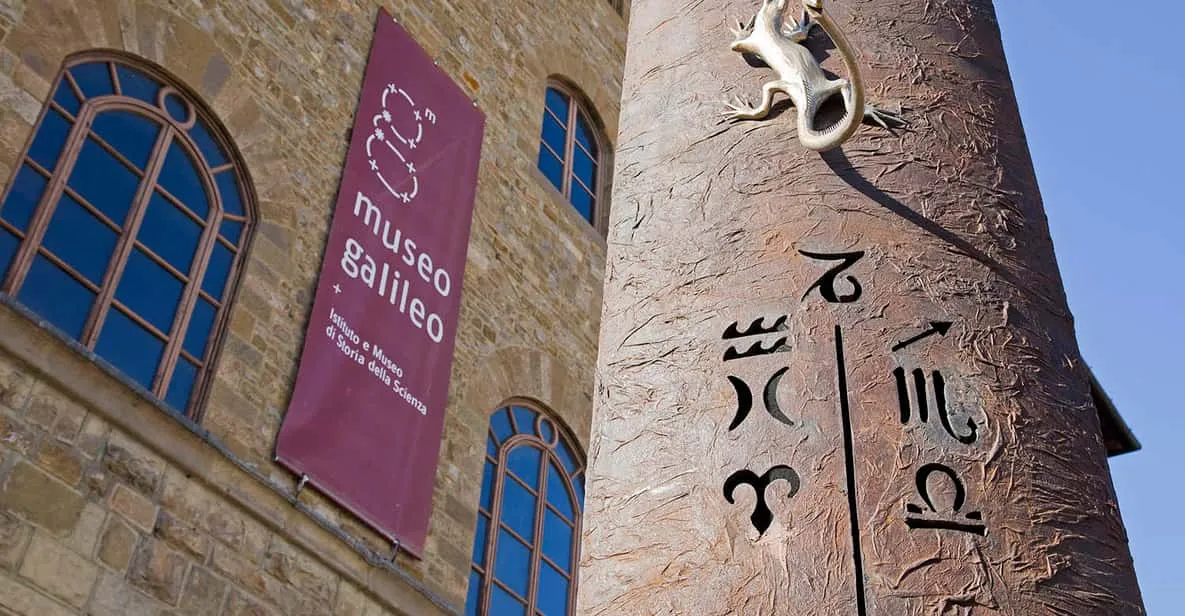
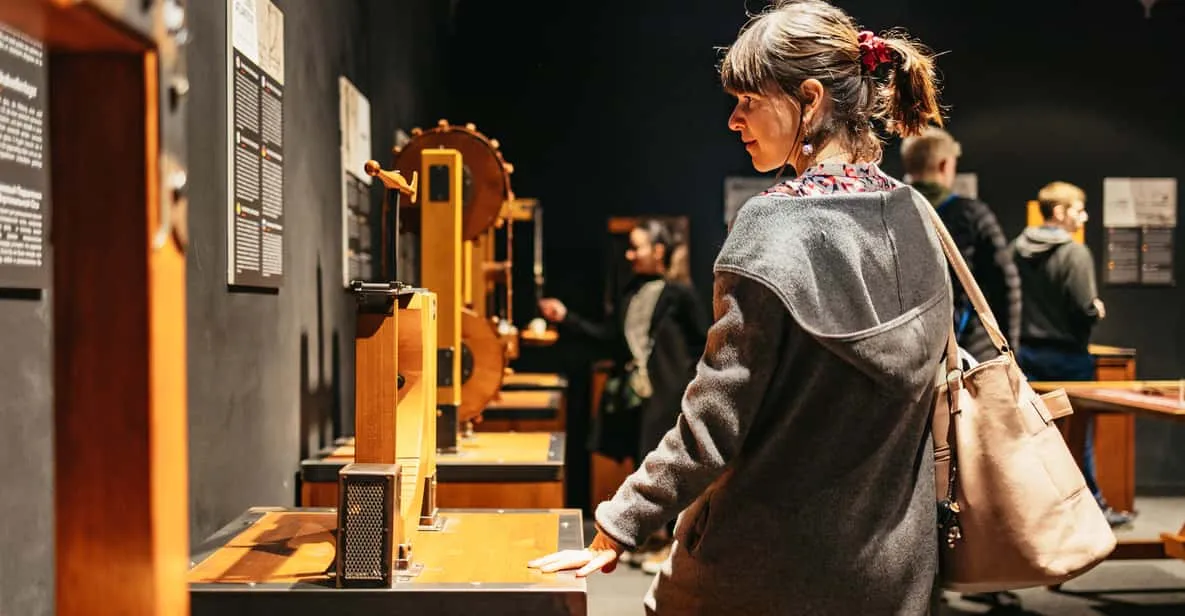
The Renaissance was not only painting, and the science museum in Florence, Italy that proves it sits directly behind the Uffizi, almost always empty. Museo Galileo holds the Medici and Lorraine instrument collection: armillary spheres, astrolabes, the only two telescopes Galileo made that survive, the objective lens through which he found Jupiter's moons — and, in a glass egg on a plinth, his middle finger, removed from his corpse by an admirer in 1737. It is a genuinely strange and wonderful hour, and the perfect antidote after three hours of Madonnas.
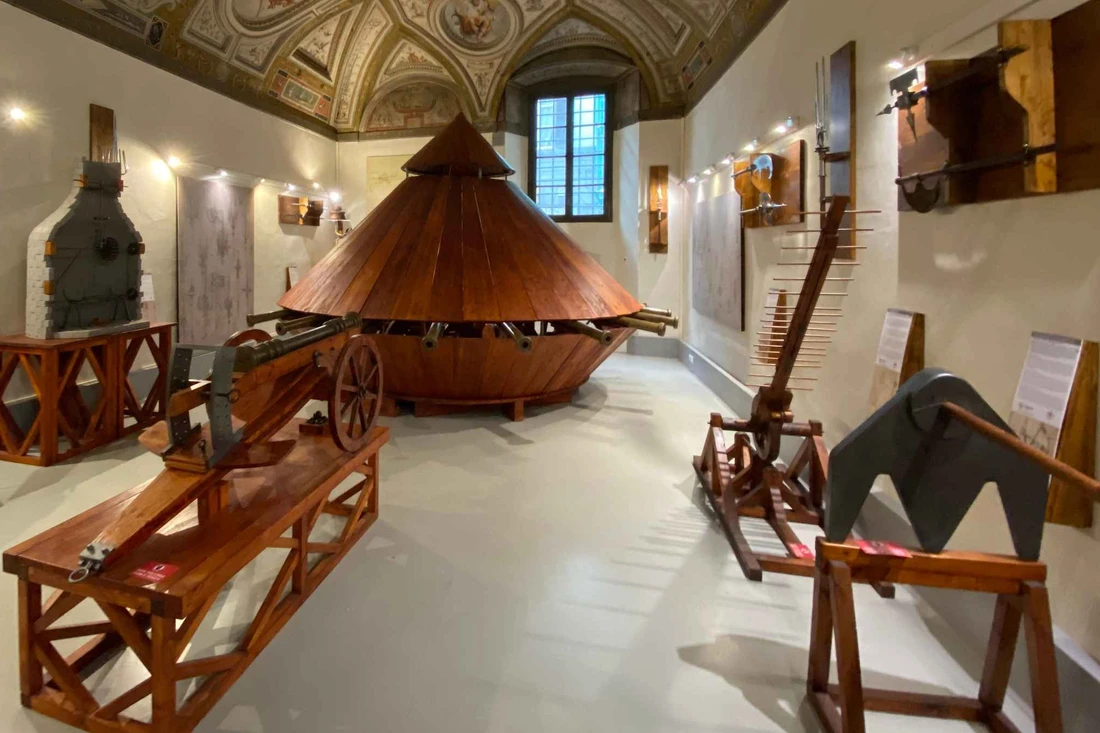
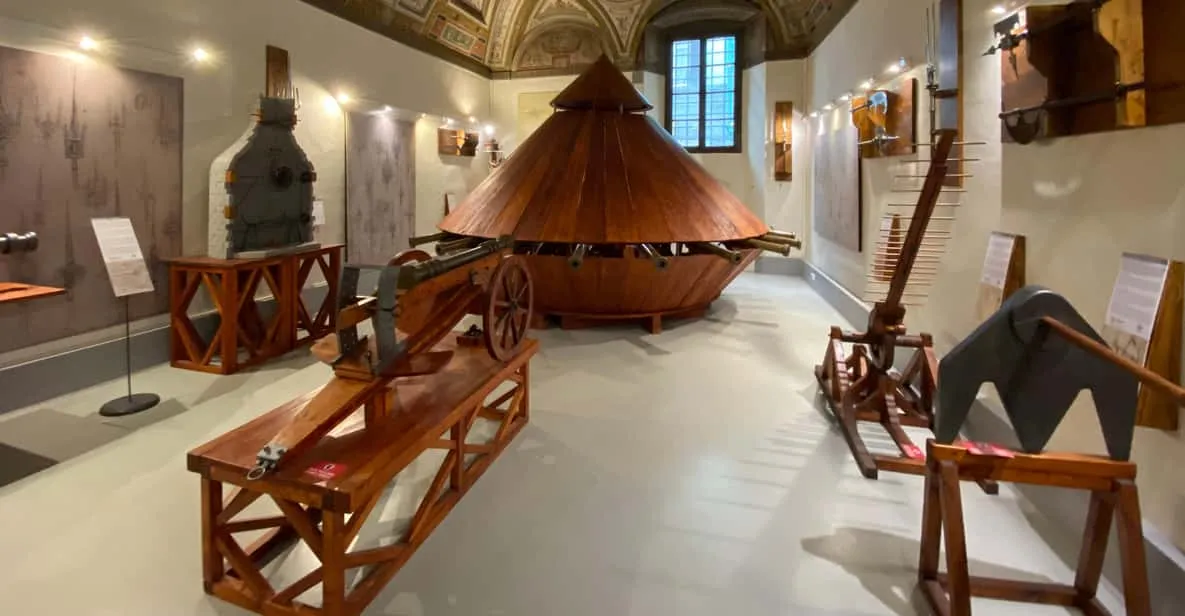
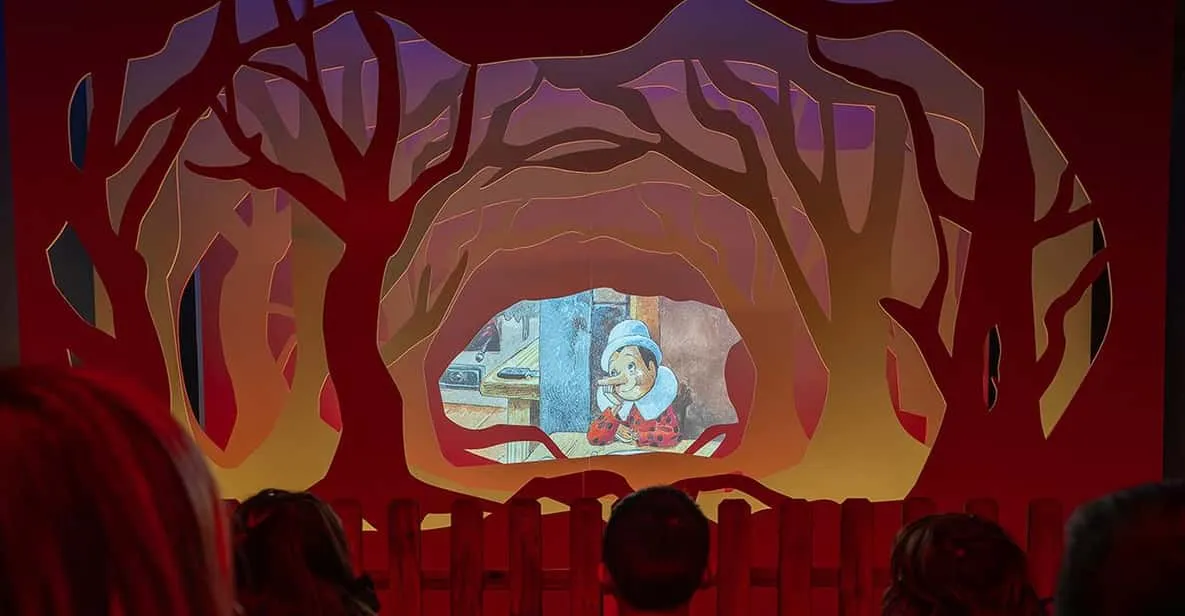
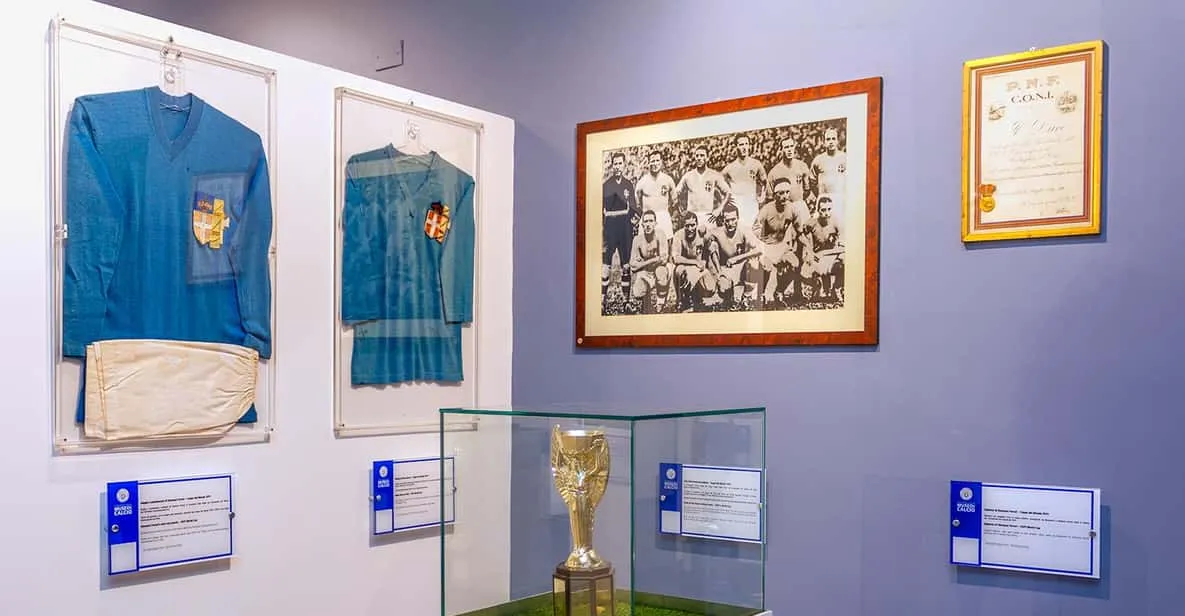
The Leonardo da Vinci museum in Florence, Italy comes in two versions and both are aimed at families rather than scholars: full-size machines built from his notebooks — the flying screw, the tank, the bearing systems — that you are meant to crank and touch and set moving. At around ten dollars the interactive one is the best-value hour in the city with children. Add the Pinocchio museum for younger kids, since Carlo Collodi was Florentine and wrote the book here, and the Italian Football Museum out at Coverciano for anyone who would rather look at the Azzurri than another altarpiece.
Live Culture: Italian Opera in a 15th-Century Florence Church
Opera was invented in Florence. In the 1590s a circle of Florentine noblemen and musicians called the Camerata decided that Greek drama had been sung rather than spoken, and set about reconstructing it — and the form they accidentally produced became opera. The first one ever written, Jacopo Peri's Dafne, was performed in a palace here in 1598.
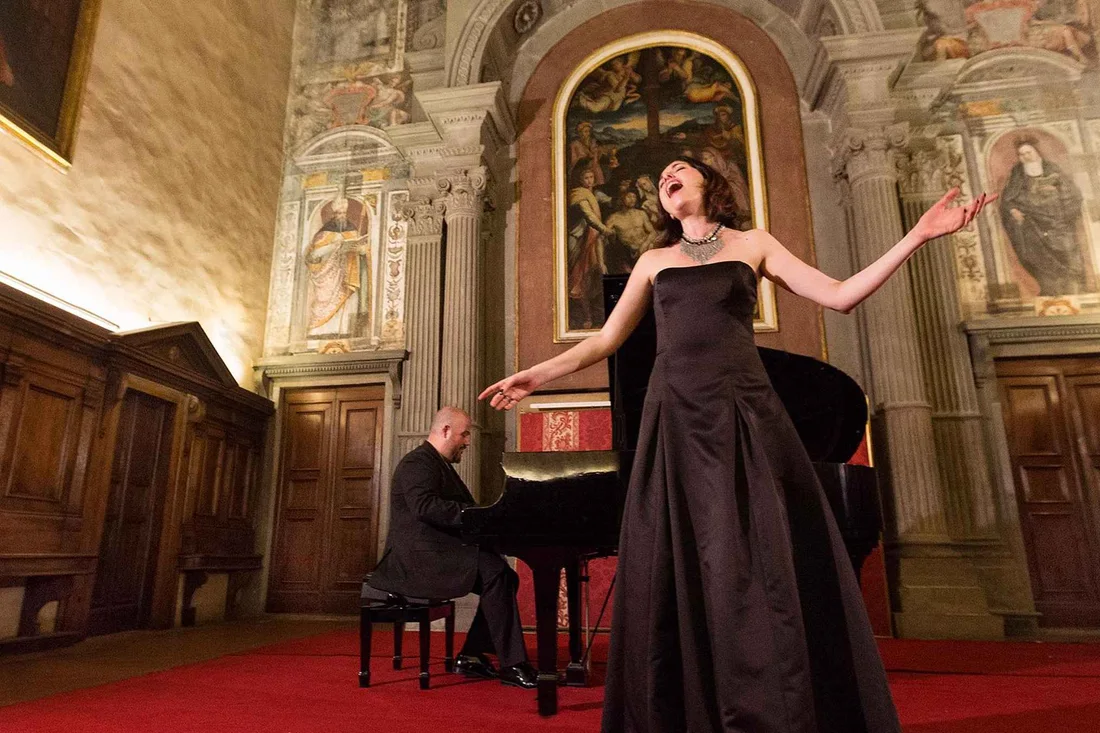
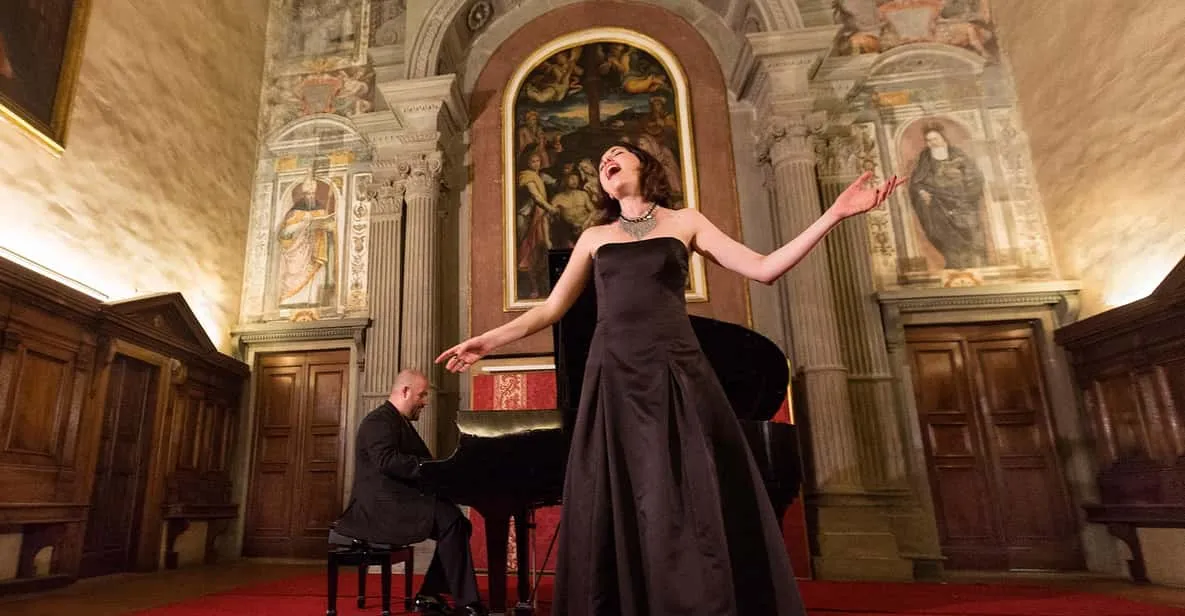
The modern descendant of that is a good deal less scholarly and a lot more enjoyable: an evening of Verdi, Puccini and Rossini sung live in Santa Monaca, a church built in the 1400s in the Oltrarno. There is no sound system, because the stone does that work, and the room seats a few dozen people, which means you are close enough to see the singers breathe. It is one of the most-booked evenings in Florence and it costs less than a museum ticket.
Day Trips from Florence: Museums Beyond the City
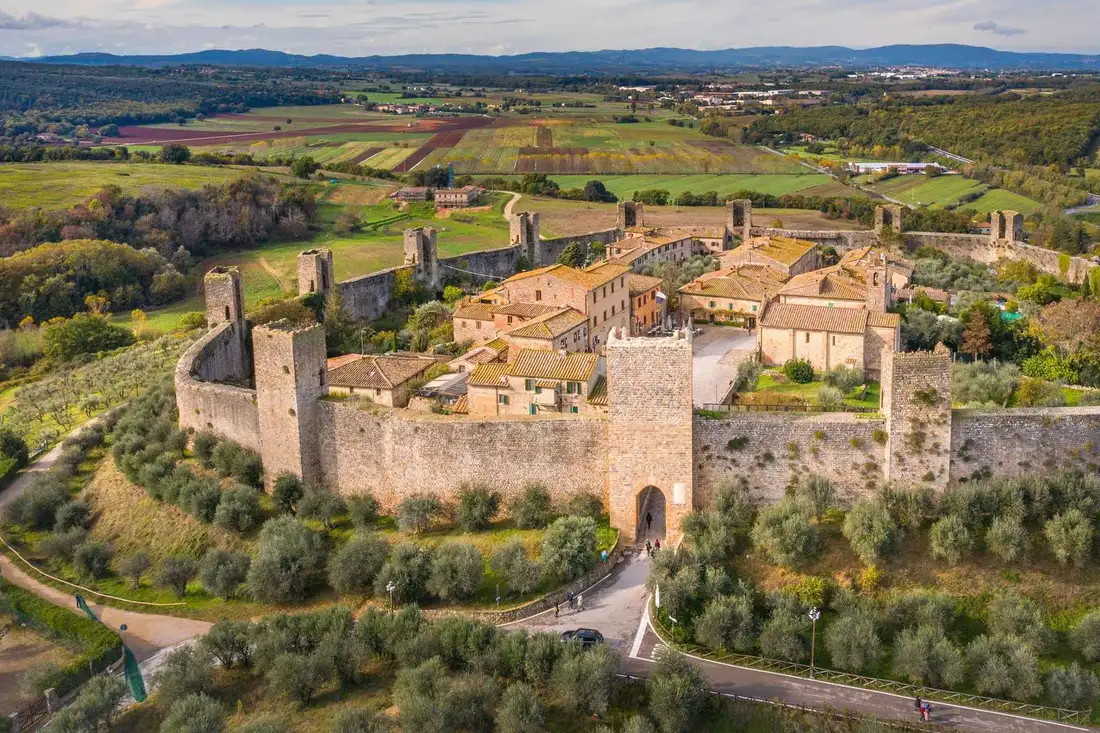
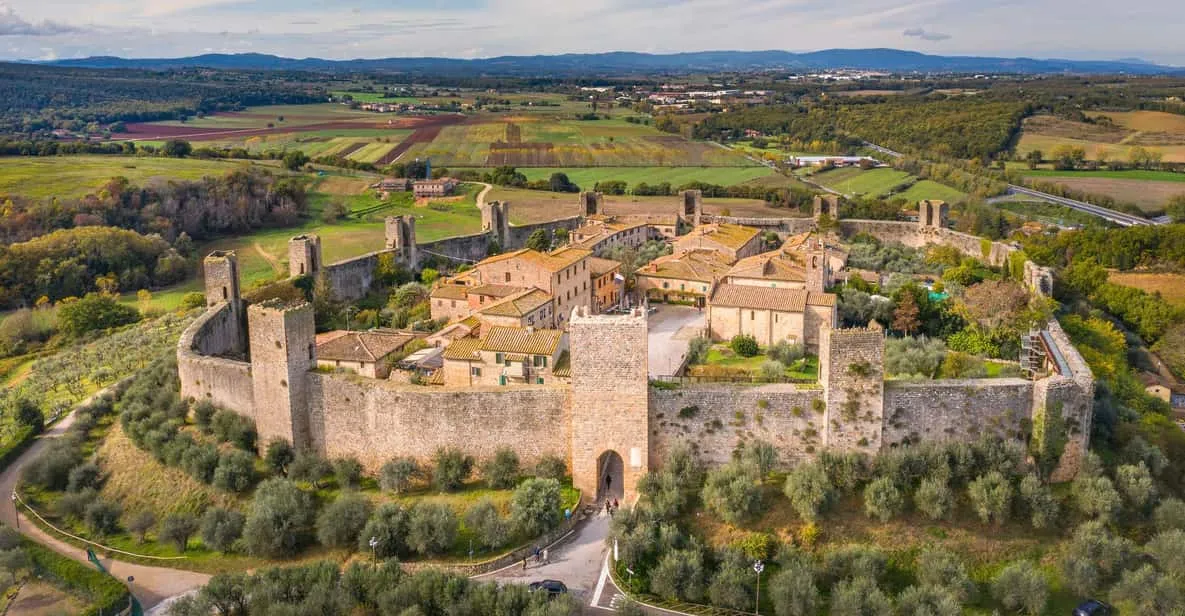
Florence sits at the centre of Tuscany, which means the day-trip options are almost unfair. Two here are worth building a day around, and they pull in opposite directions. South is the classic: Monteriggioni, a walled hilltop village with fourteen towers and its own Templar museum, then down through the Val d'Orcia to Montalcino and Pienza — the landscape that appears on every postcard of Tuscany, with an optional Brunello tasting to finish.
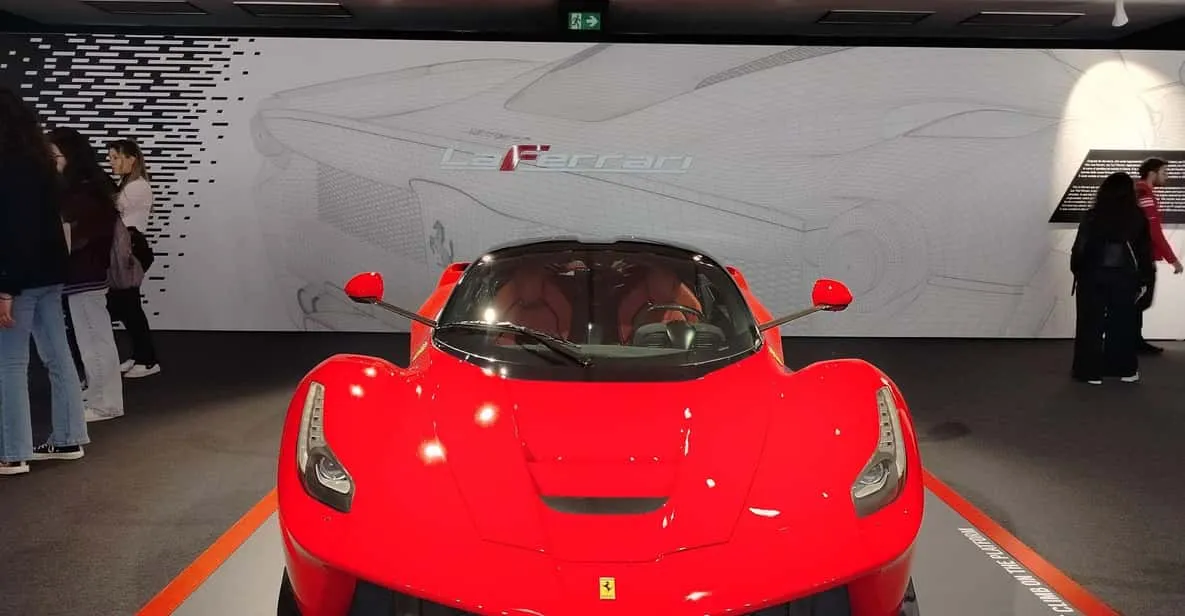
North is the outlier. Modena is two hours away and holds the Ferrari Museum, and the private full-day version pairs it with tastings of genuine Parmigiano Reggiano at a working dairy and traditional balsamic aged in wooden casks for twelve years. It is the most expensive booking on this site by a distance, and a full day committed, but it is also the only thing here that has nothing to do with the Renaissance — which after four days of it can be exactly the point.
 from $136